 Tar Pit Yoga
How I Cured My RSI Typing Pain: A Step-by-Step Protocol
Originally documented on Hacker News and computer wellness archives. The non-surgical roadmap to overcoming repetitive strain injury, carpal tunnel, and forearm burning.
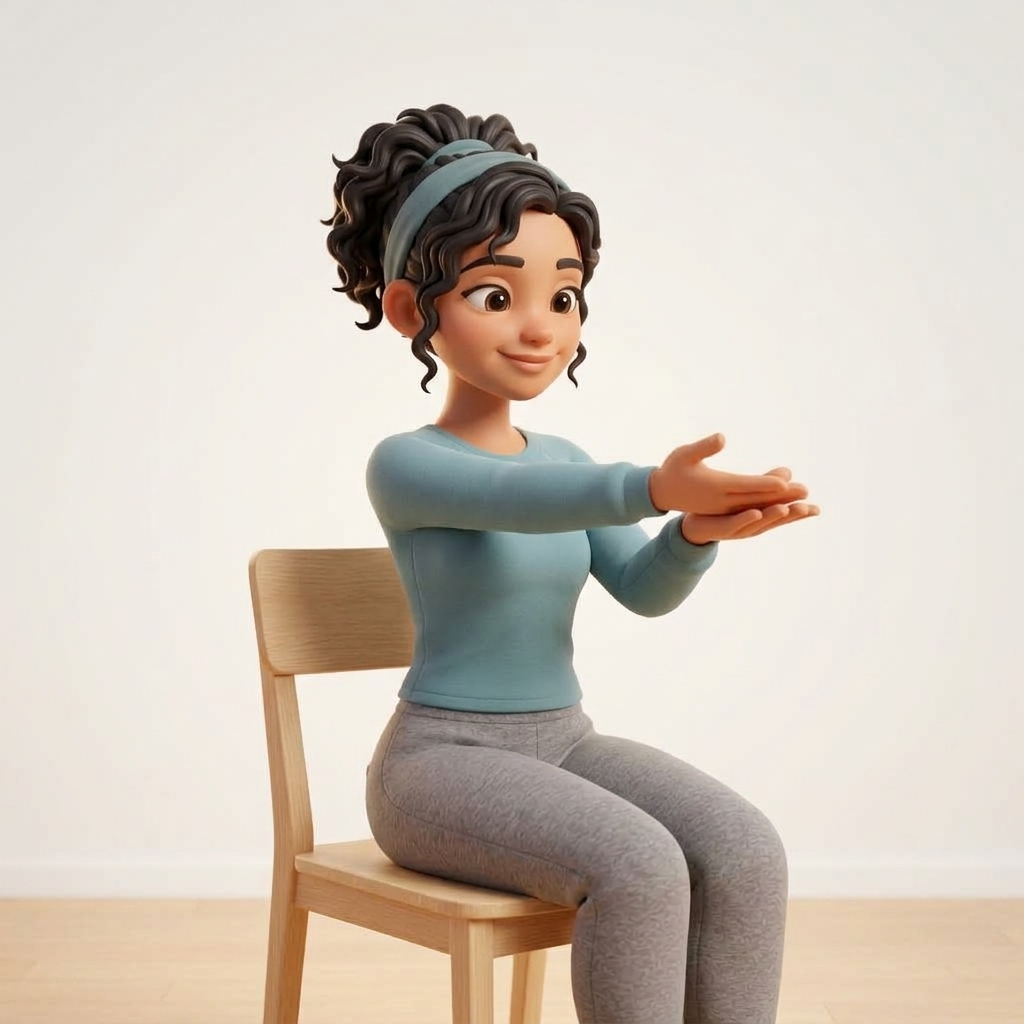
Tar Pit Yoga Mascot: Seated desk median nerve glide & wrist extensor stretch for typing strain.
The Breakthrough: RSI is Usually Not Tissue Destruction
Most programmers and knowledge workers who develop severe forearm, wrist, and thumb pain are told they have permanent tendon damage. They wear wrist splints, buy expensive ergonomic mice, and stop typing—yet the pain often worsens.
As first highlighted by Dr. John Sarno and physical rehabilitation therapists, chronic repetitive strain symptoms are overwhelmingly driven by sustained neuromuscular tension and autonomic oxygen restriction caused by psychological stress and unconscious postural guarding.
Do not immobilize your hands. Immobilization increases neural sensitivity and reinforces the brain's danger alarm. Gentle, non-painful movement is the true antidote.
3 Daily Exercises to Restore Forearm & Wrist Freedom
1. The Desk Median Nerve Glide
Extend your right arm forward with palm facing up. Gently extend your wrist so your fingers point downward. Slowly tilt your head to the opposite shoulder. Hold for 3 seconds, release, and repeat 5 times per side.
→ For the complete 5-step clinical routine, explore our dedicated Carpal Tunnel Stretches & Median Nerve Glides Guide.
2. Scapular Retraction & Doorway Pec Stretch
Forward head posture and rolled shoulders compress the thoracic outlet, pinching blood flow to the fingers. Stand in a doorway, place elbows on the frame at 90 degrees, and step forward to stretch the anterior chest.
3. Mindful Breath & Keyboard Tension Release
Every 20 minutes, remove hands from your keyboard, rest them gently on your thighs, and take 3 deep diaphragmatic belly breaths. Notice if your shoulders were elevated toward your ears.
Recommended Desk Ergonomics
Need exact centimeter and inch measurements tailored to your exact height? Use our free Interactive Ergonomic Desk & Chair Height Calculator →
- Elbow Angle: Keep elbows at 90 to 100 degrees with forearms parallel to the floor.
- Float Your Wrists: Never rest your wrists on gel pads while actively typing; let your arms float naturally.
- Keyboard Pitch: Use a flat or slightly negative tilt keyboard so wrists remain straight.